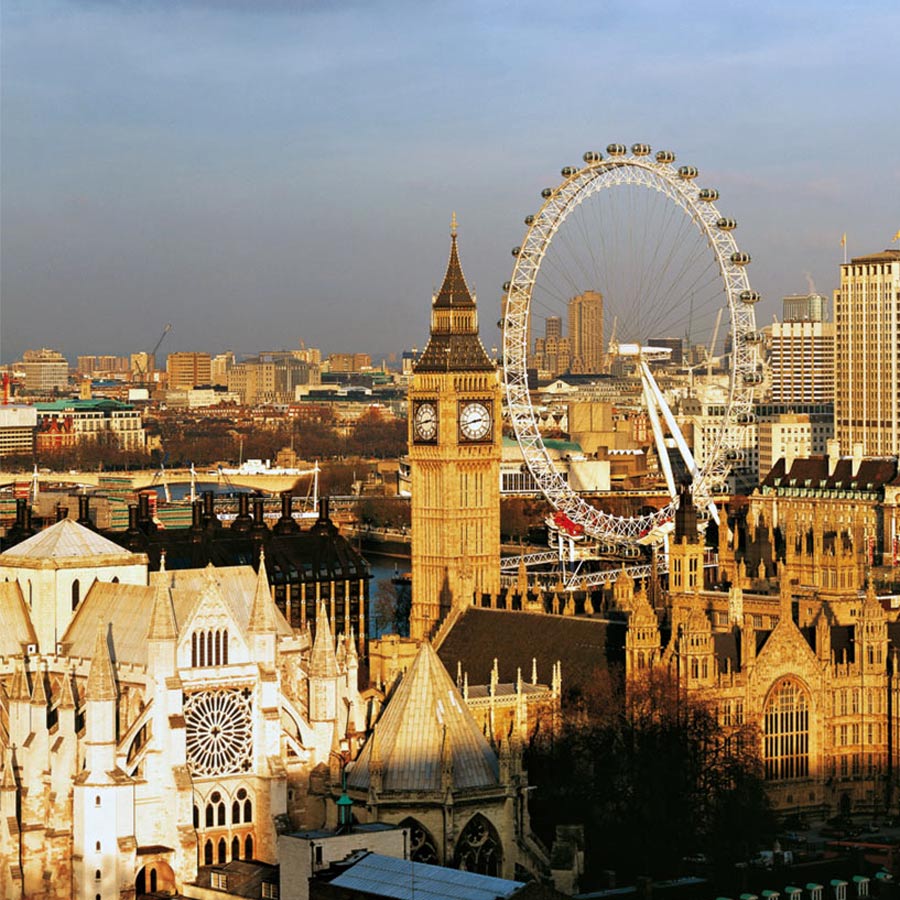
London Eye
Location: South Bank
Client: The London Eye Company
Cost: £85M
Status: Completed March 2000
Height: 135m
Team
Principal steelwork contractor: Hollandia
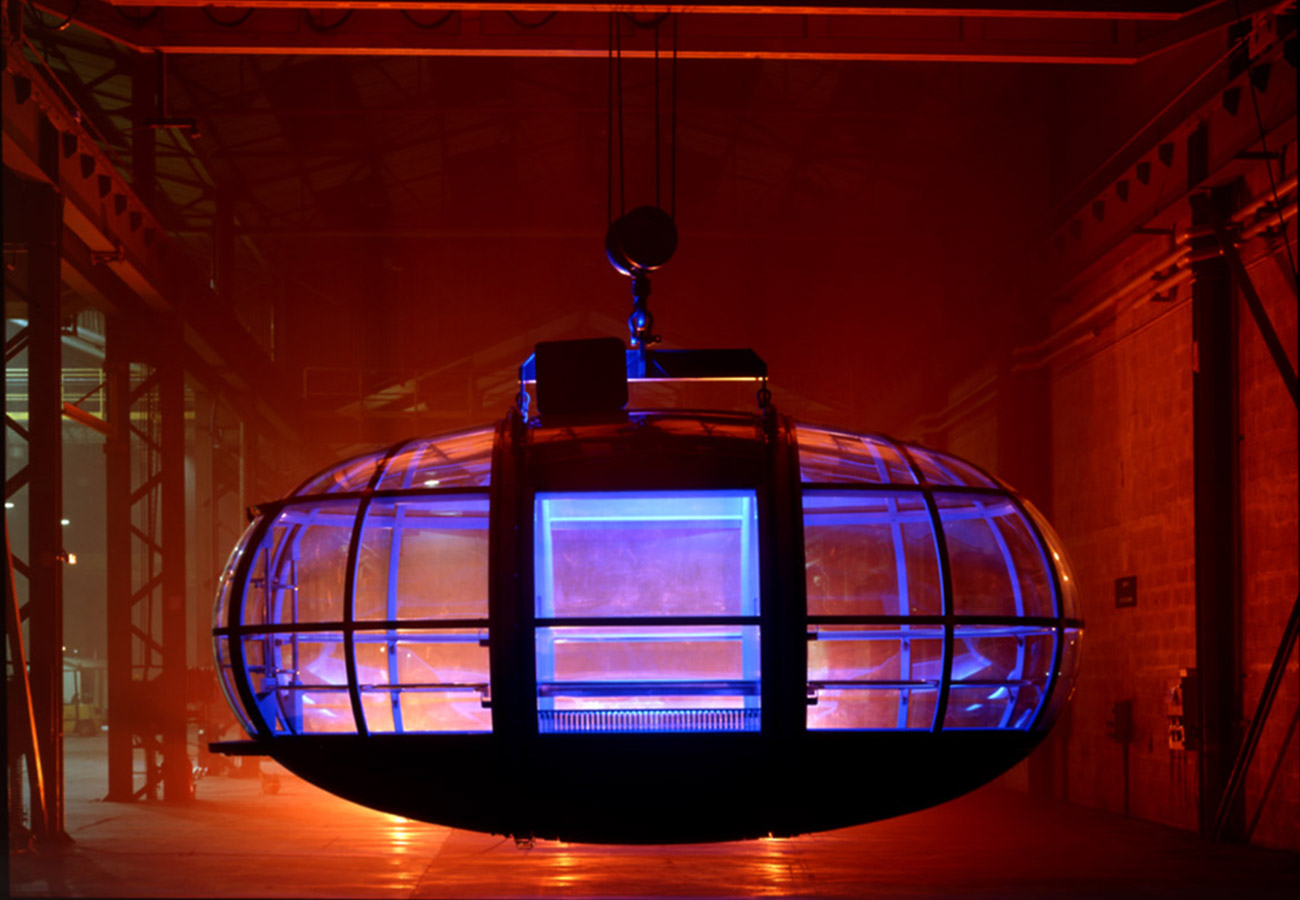
Capsule contractor: Poma
Engineer: Jacobs
Construction manager: Mace
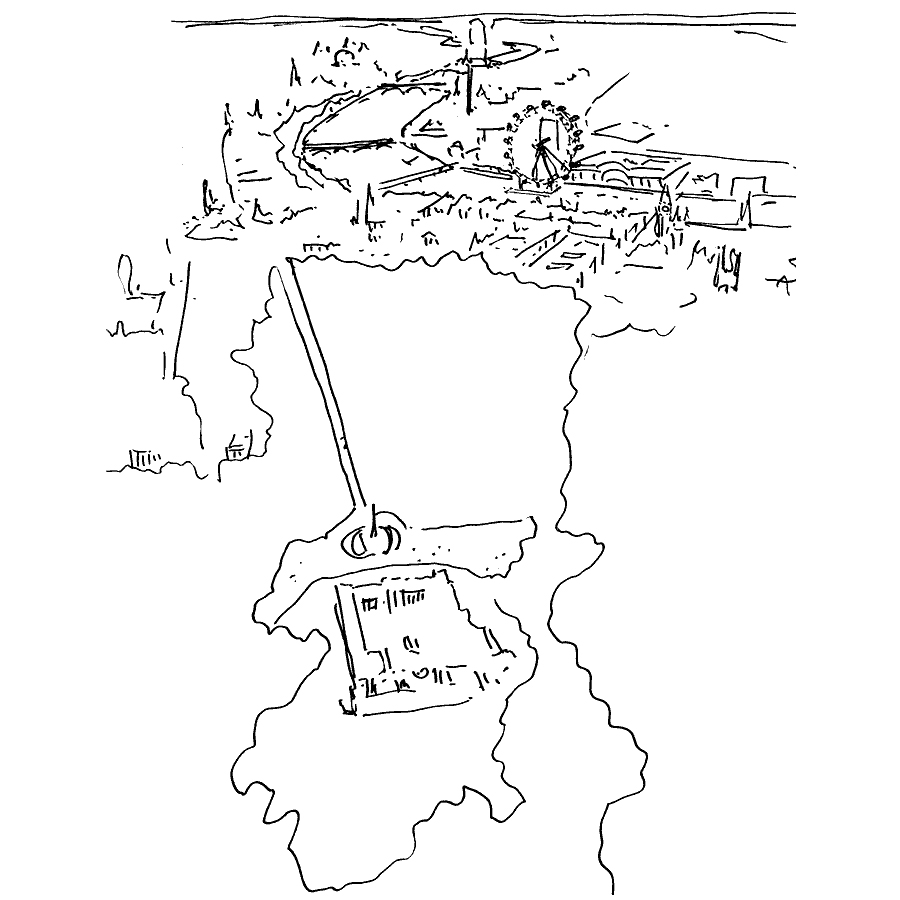
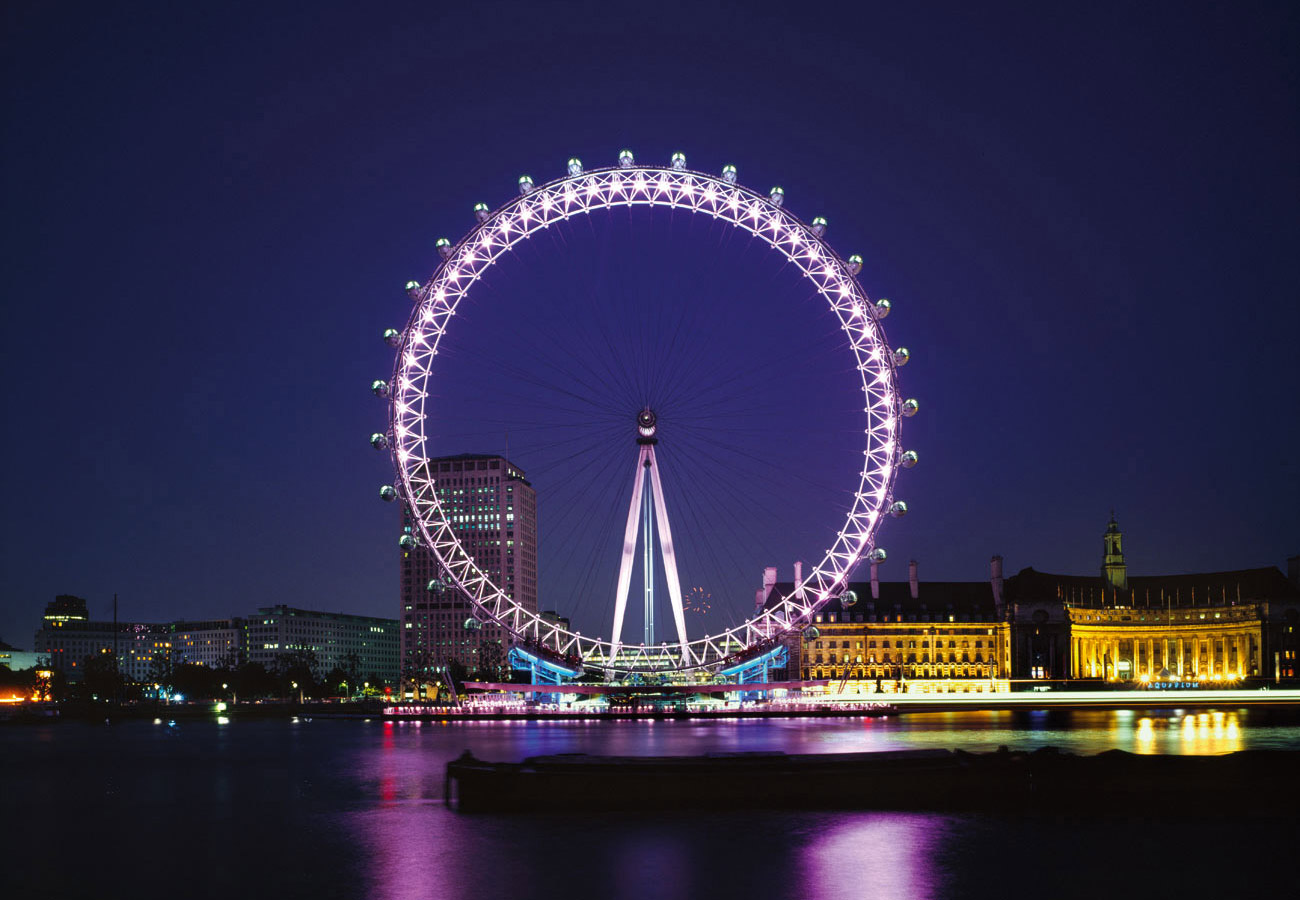
The London Eye has captured the public’s imagination. Since opening, over fifty million visitors have enjoyed unparalleled views over the capital, and it has also made a significant contribution to the regeneration of the South Bank area. David Marks and Julia Barfield not only conceived and designed the wheel, they also took the entrepreneurial approach in establishing the London Eye Company which made it a reality.
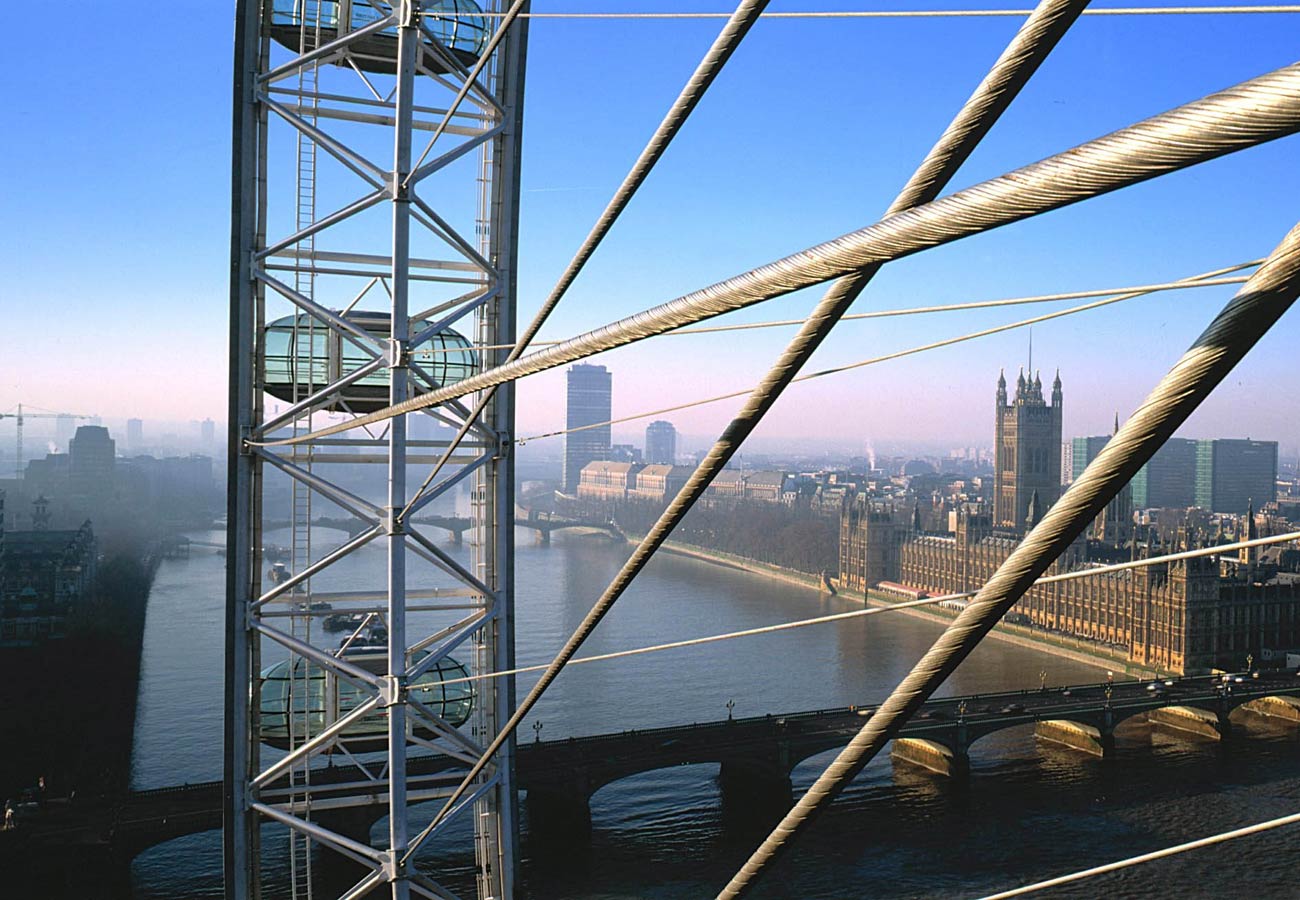
"There is an innate desire in all men to view the earth and its cities and plains from exceeding high places.... for it is an excuisite treat to all minds to find that they have the power, by their mere vision, of extending their conciousness to scenes and objects that are miles away"
Henry Mayhew, 1862
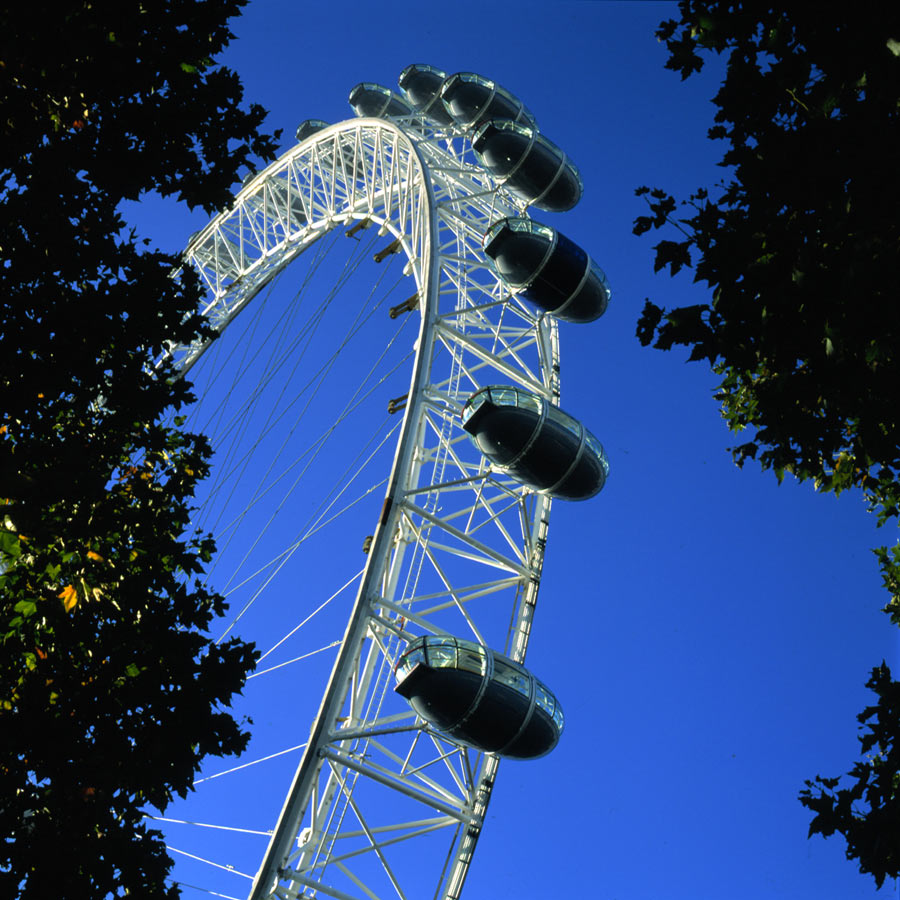
"If the great spate of new buildings in London has any theme it is that the city is moving from imperial grandeur and industry to a lighter, more fluid future, a city which lives on its communications, tourism and its culture and wits. The wheel is entirely open and democratic, lighter and airier than any other structure in the land".
Andrew Marr, The Observer, October 1999
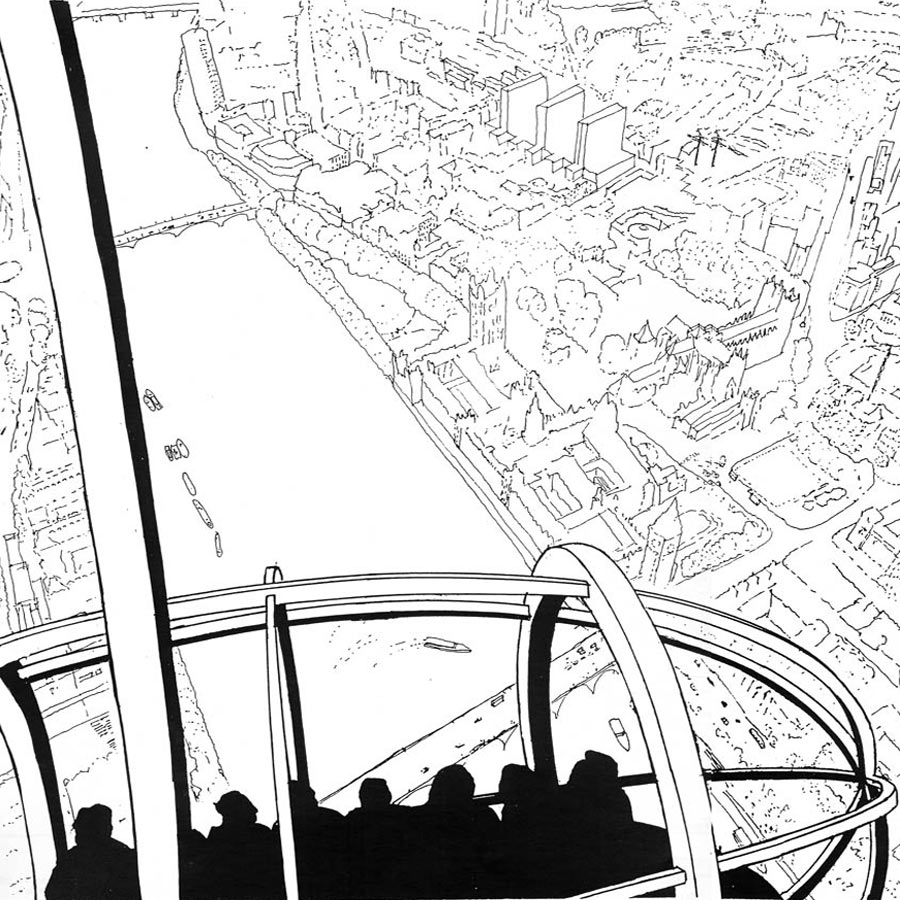
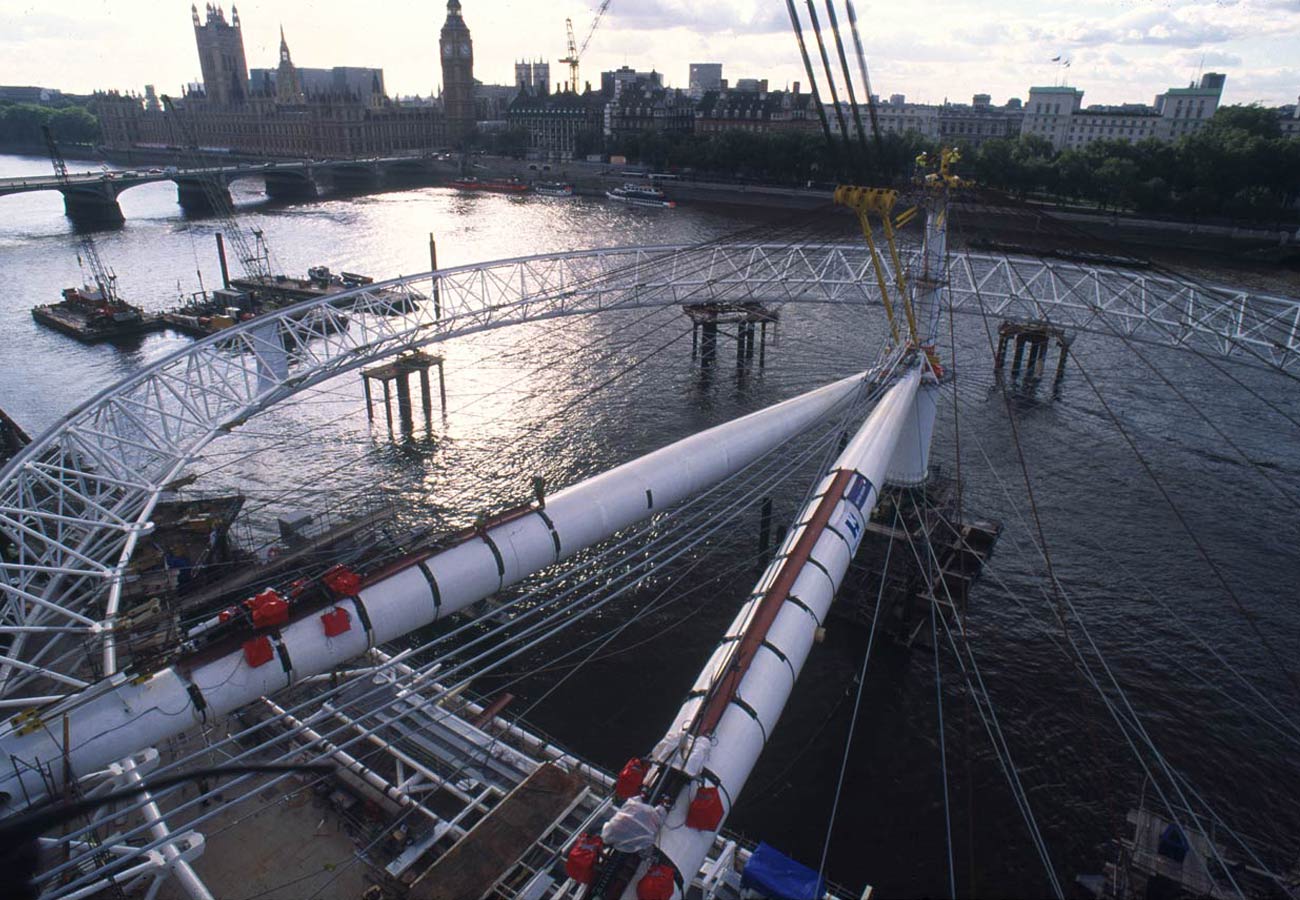
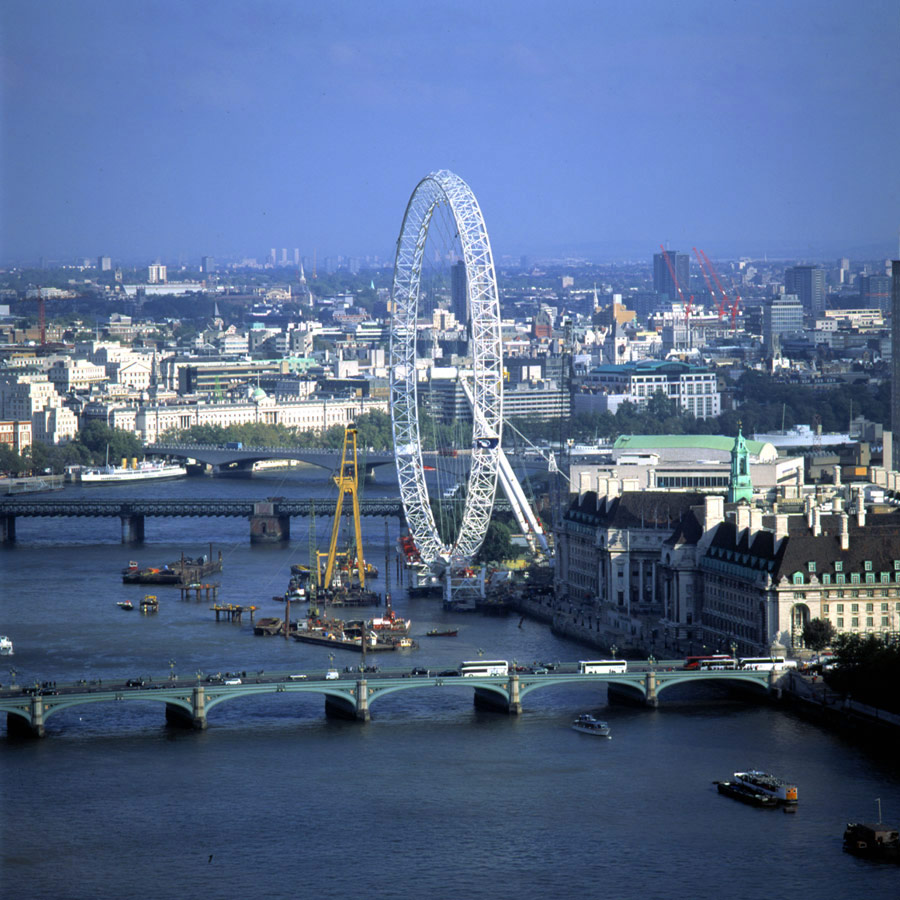
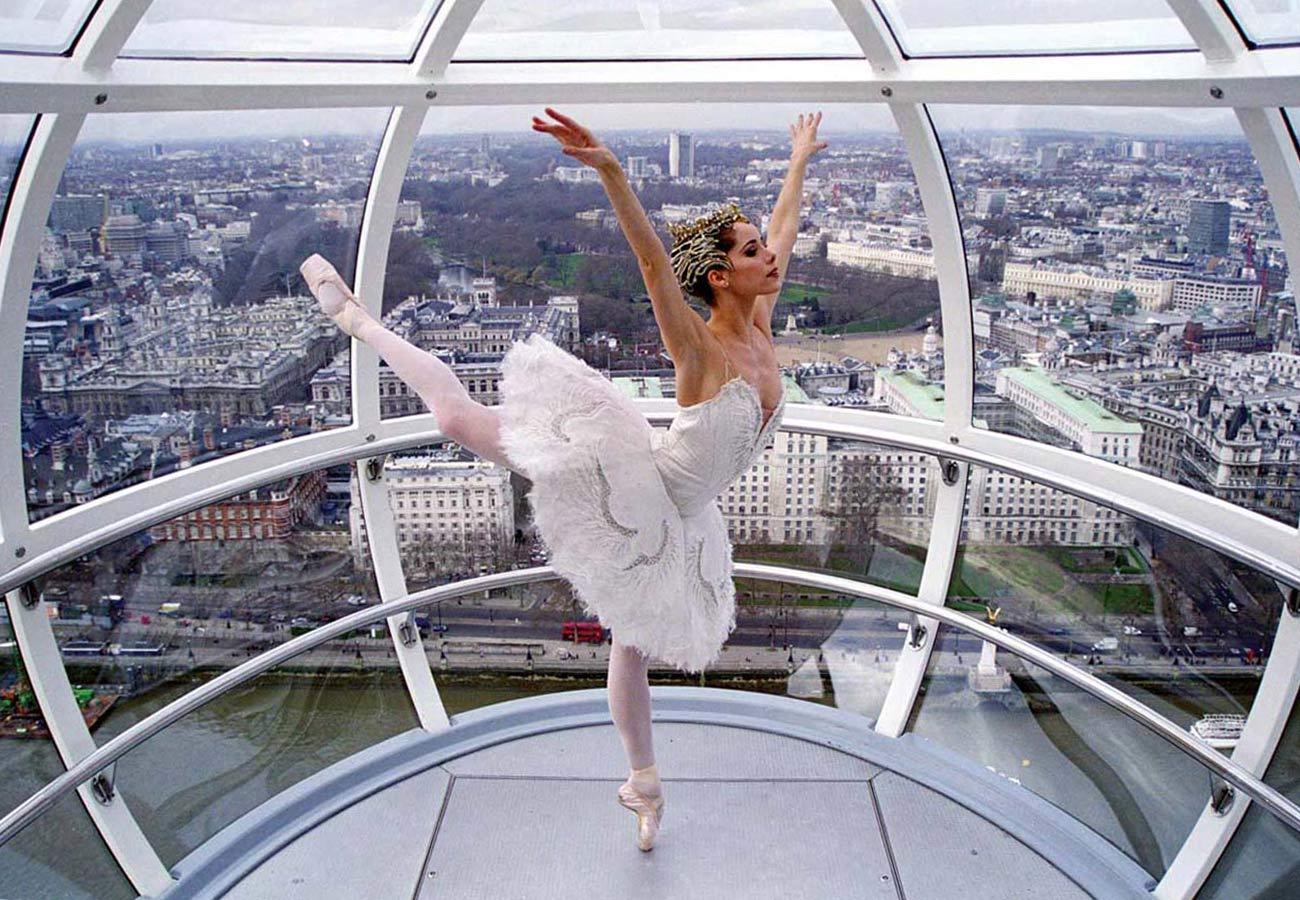
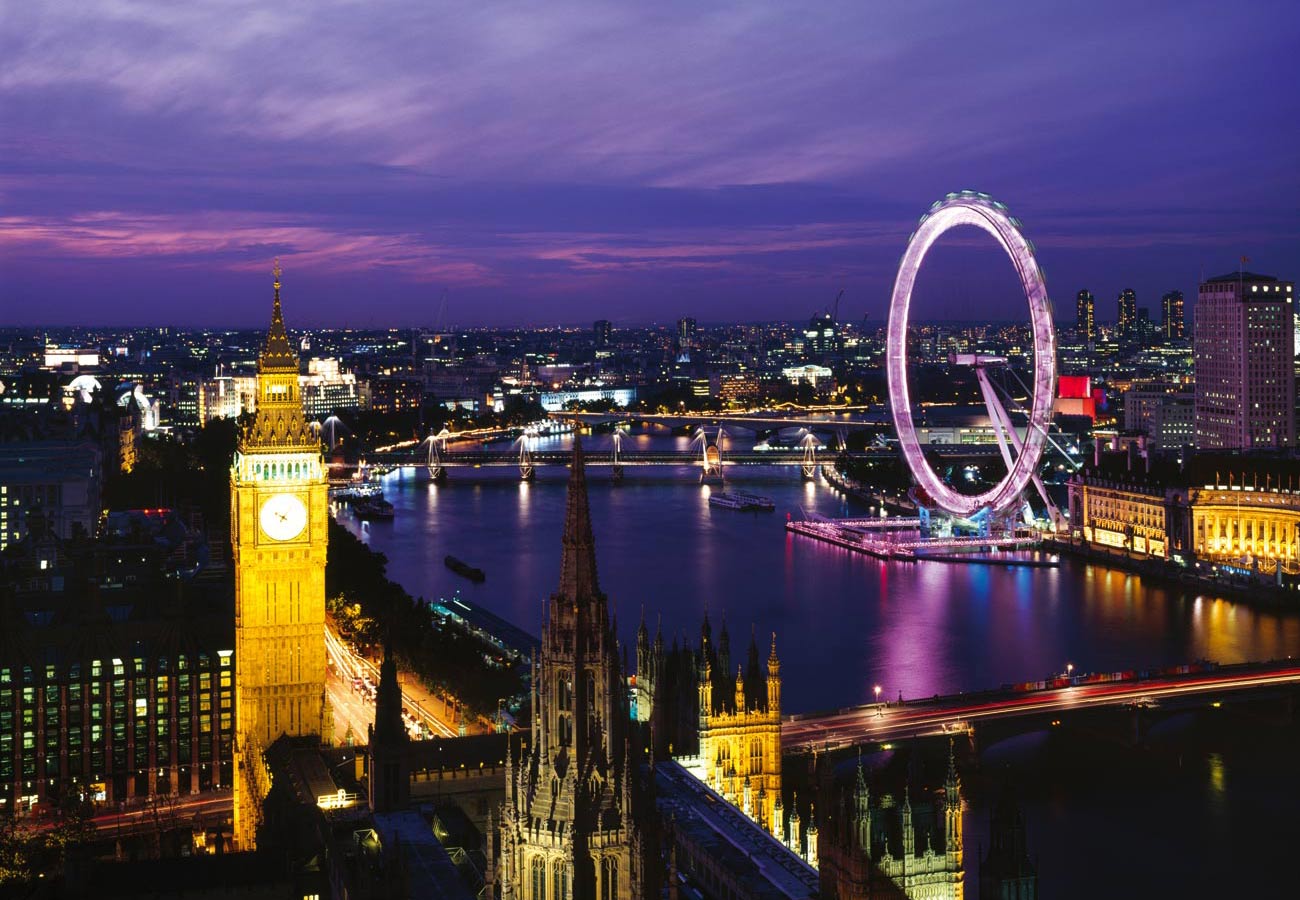
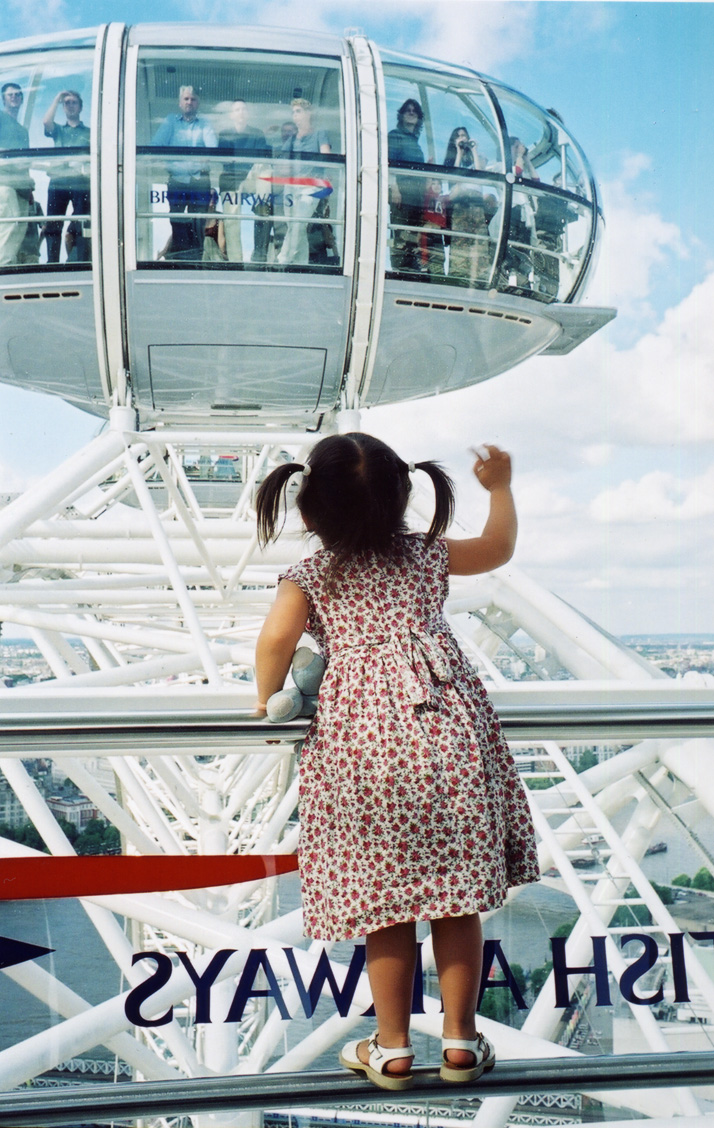
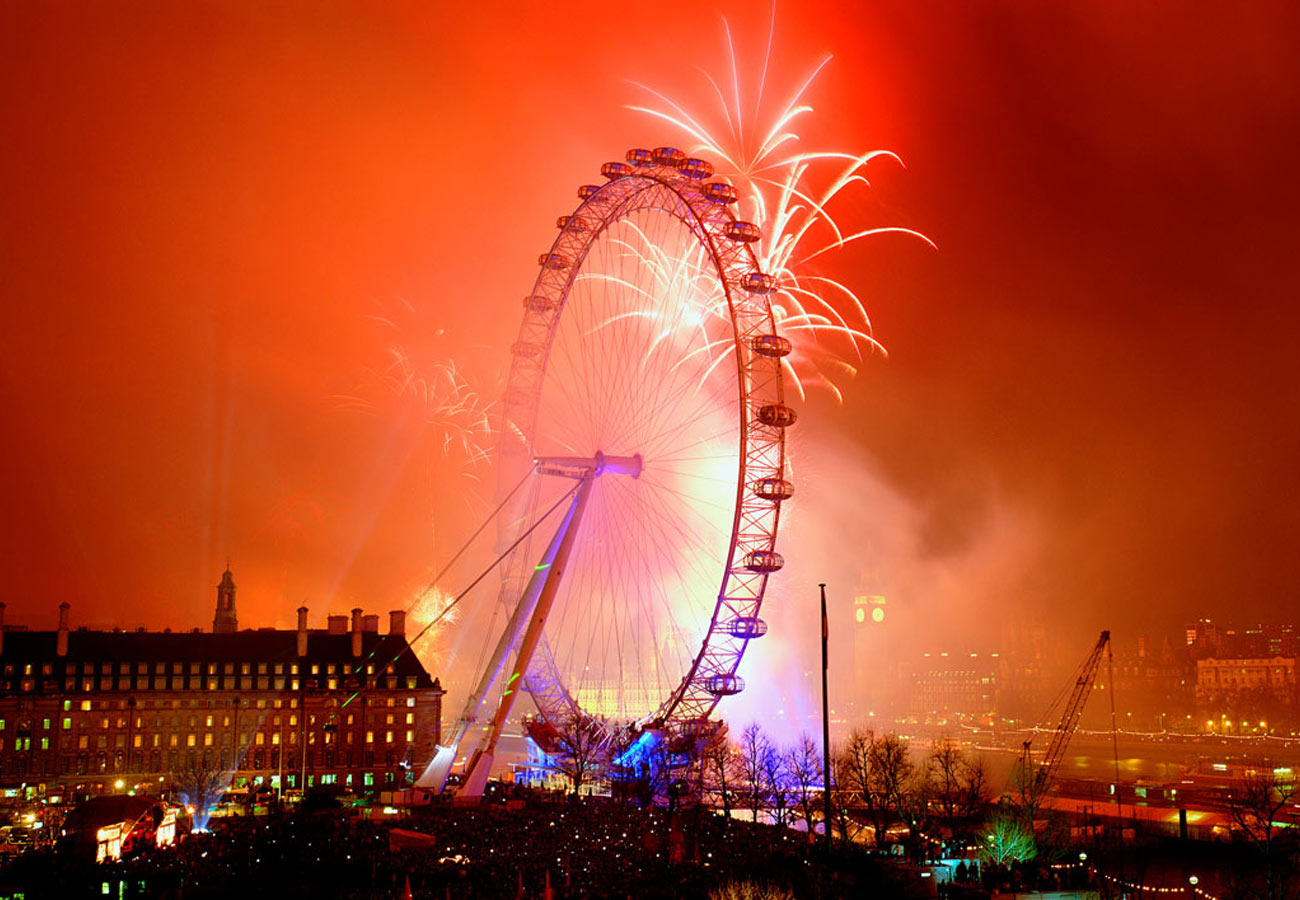
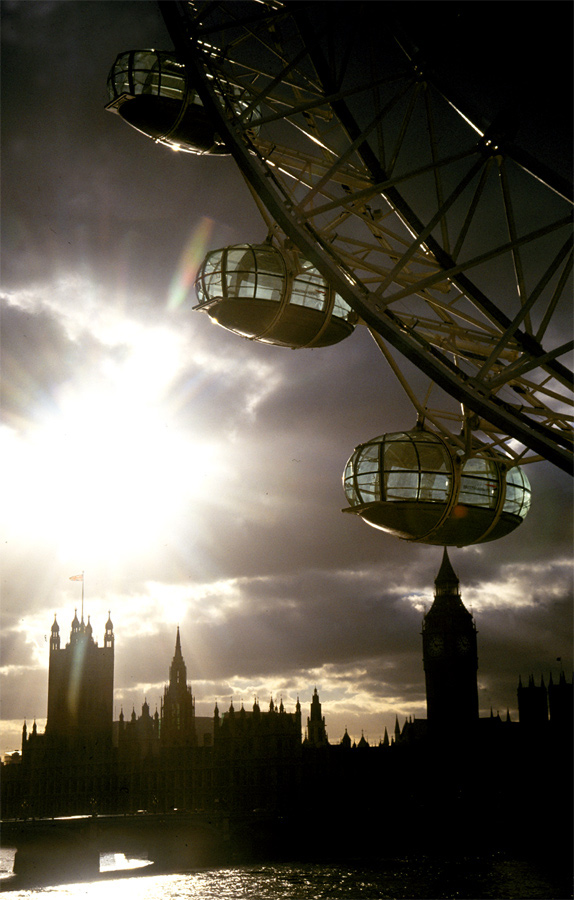
The London Eye has become a symbol of modern Britain and was a centre piece of the capital's New Year celebrations. A breathtaking feat of design and engineering, passengers in the London Eye's capsules can see up to 25 miles in all directions.
"In pursuing their dream Marks and Barfield have given London something remarkable – huge in scale but light in feeling. Technology has been pursued to an extreme and produced an aesthetic refinement to which the public have responded with extraordinary enthusiasm."
Sir Jeremy Dixon, Architecture Today, May 2000
"…the double act …
David Marks and Julia Barfield. Together they have altered the townscape of London in spectacular fashion by masterminding the design and construction of the British Airways London Eye. The great wheel.
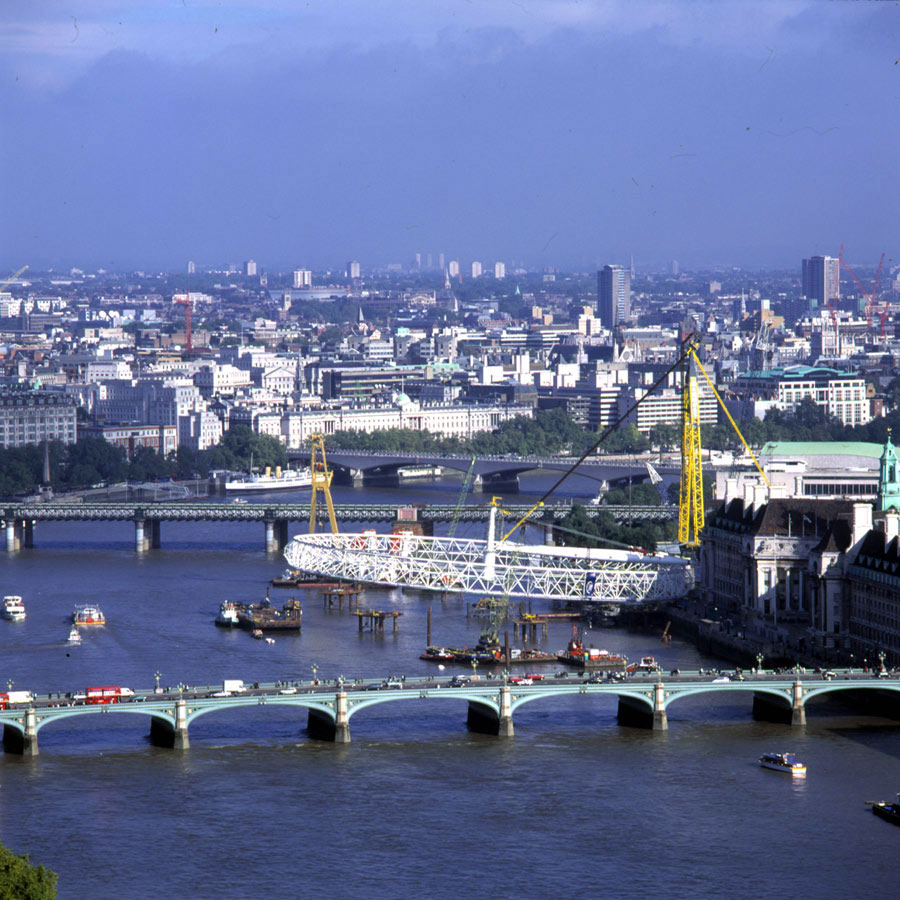
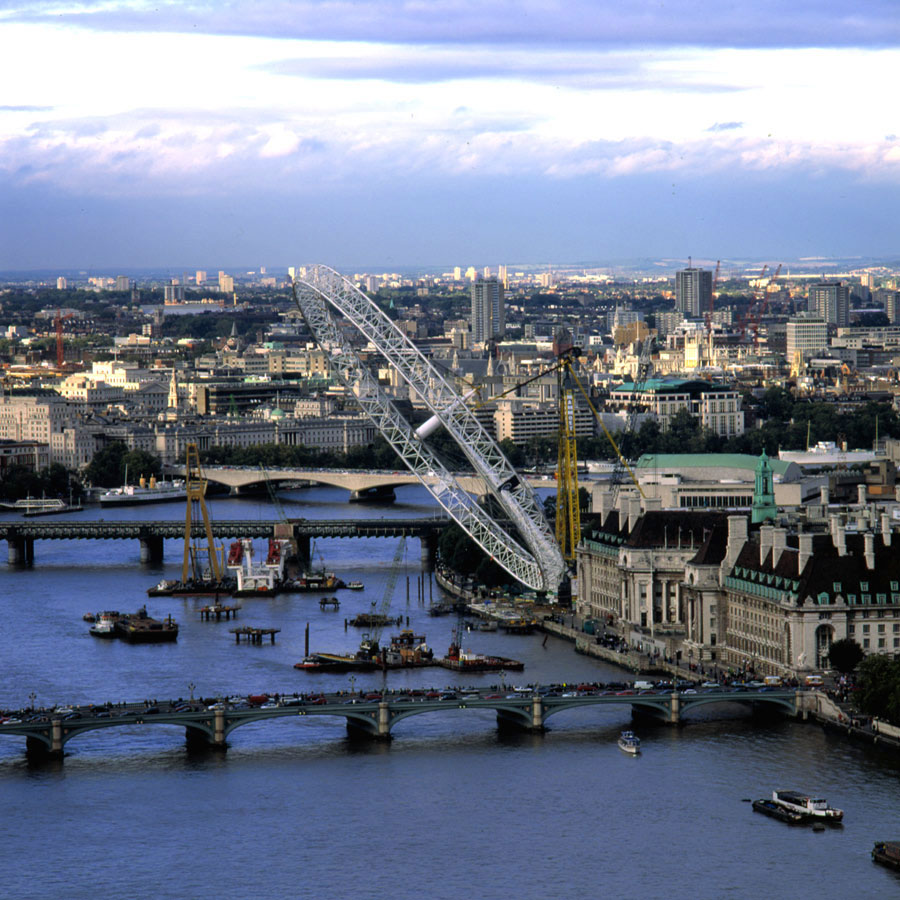
Not only were they the architects and designers of this fantastic combination of strength, innovative engineering, visual style and playfulness but they also had the sheer tenacity to see the project through over a period of seven years. That meant raising the money to finance the enterprise as well as putting together an international team of specialists to make it a reality and construct it in just 14 months.
The London Eye has put architecture, design and engineering centre stage by catching the imagination of the British public and of visitors to London, and by becoming one of the city's most popular landmarks. The Eye attracted more than two million paying visitors in its first six months."
Sir Christopher Frayling, 2001
Social Good - London Eye 25 years
Over £14 million have been raised for key projects and services in the South Bank and Waterloo area, through a unique funding model pioneered by the original architects of the London Eye.
One of the most successful programmes stemming from the agreement is the London Eye Community Chest, which is a finalist in the prestigious Building London Planning Award’s. The Chest funds local initiatives that strengthen community cohesion and resilience in the Waterloo and South Bank area and offers grants of between £1,000 and £10,000 to local charities and community groups. Groups and projects supported in 2024/5 include:
- ‘Waterloo United’ who offer weekly free football sessions to young people, particularly those from lower-income households
- London City Mission, to provide over 11,400 hot meals for homeless people at the Webber Street Day Centre
- Special walking tours for sanctuary seekers, to help reduce social isolation and help refugees and migrants build knowledge of the local area, provided by Waterloo Community Counselling and the Lambeth Tour Guides Association.
- Coin Street and Archbishop’s Park Community Trust are working together to deliver the Herbs, Flowers, Teas and Treats project, which benefits around 50 older adults, including those with disabilities and additional needs.
“When David Marks and I conceived and designed the London Eye its focus was to celebrate the Millennium and London’s entry into the 21st century. For us design, is a powerful tool for good, both social and environmental, and routed in place. So when the success of the Eye became evident and we applied to extend the planning permission, it seemed obvious to us that we should extend the success to the local area and community. Which is why we initiated the idea of the Section 106 1% in perpetuity.It is the aspect of the London Eye that I am most proud of.” - Julia Barfield
“We are incredibly proud of the difference this unique funding has made - from supporting young people through sport, to providing hot meals for those in need, and helping new arrivals feel at home. The London Eye S106 agreement create jobs, improves local spaces and supports the community groups that help our places to thrive." - Councillor Claire Holland, Leader of Lambeth Council
Circular Economy and the London Eye
When David Marks and I conceived and designed the London Eye we saw it as a symbol of time and the cycles of life. 25 yrs later I was delighted when it was pointed out to me that it could also be seen as a symbol of the circular economy.
We at Marks Barfield Architects have been taking a deep dive into the Circularity for a number of years. Ever since we understood the severity and urgency of the climate crisis in 2018 we have redirected the practice to work within planetary limits.
Awards
25 awards for design, innovation, engineering & tourism, including:
2003 - Queen's Award for Enterprise Innovation
2001 - ISE Structural Award
2000 - Prince Phillip Designers Prize, Special Commendation
2000 - RIBA Award, shortlisted for the Stirling Prize
2003, 2004, 2005 - CoolBrands
2001 - D&AD Award, Gold and Silver
Sustainable and environmental features:
- Materials Chosen for Durability and Long Life
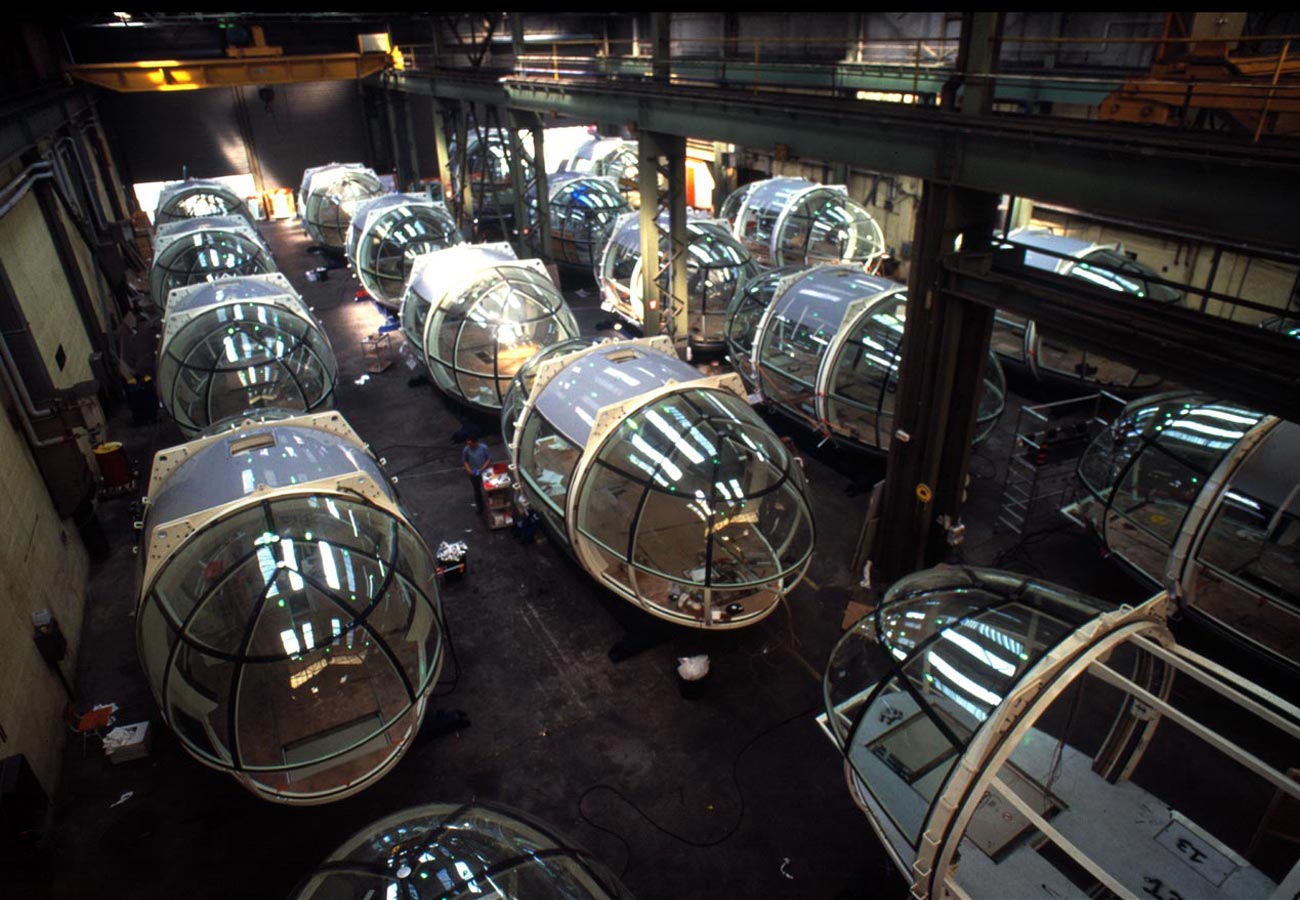
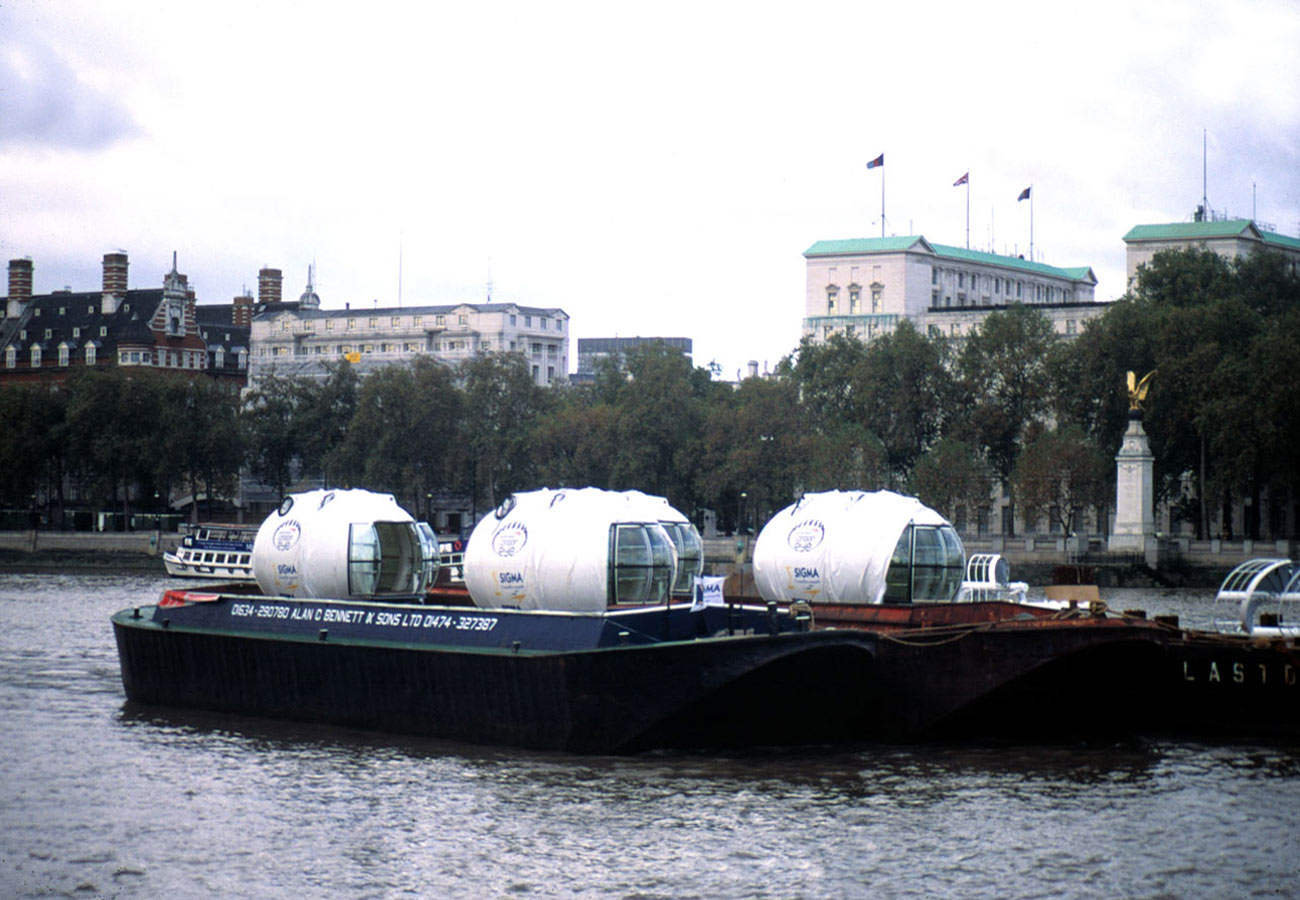
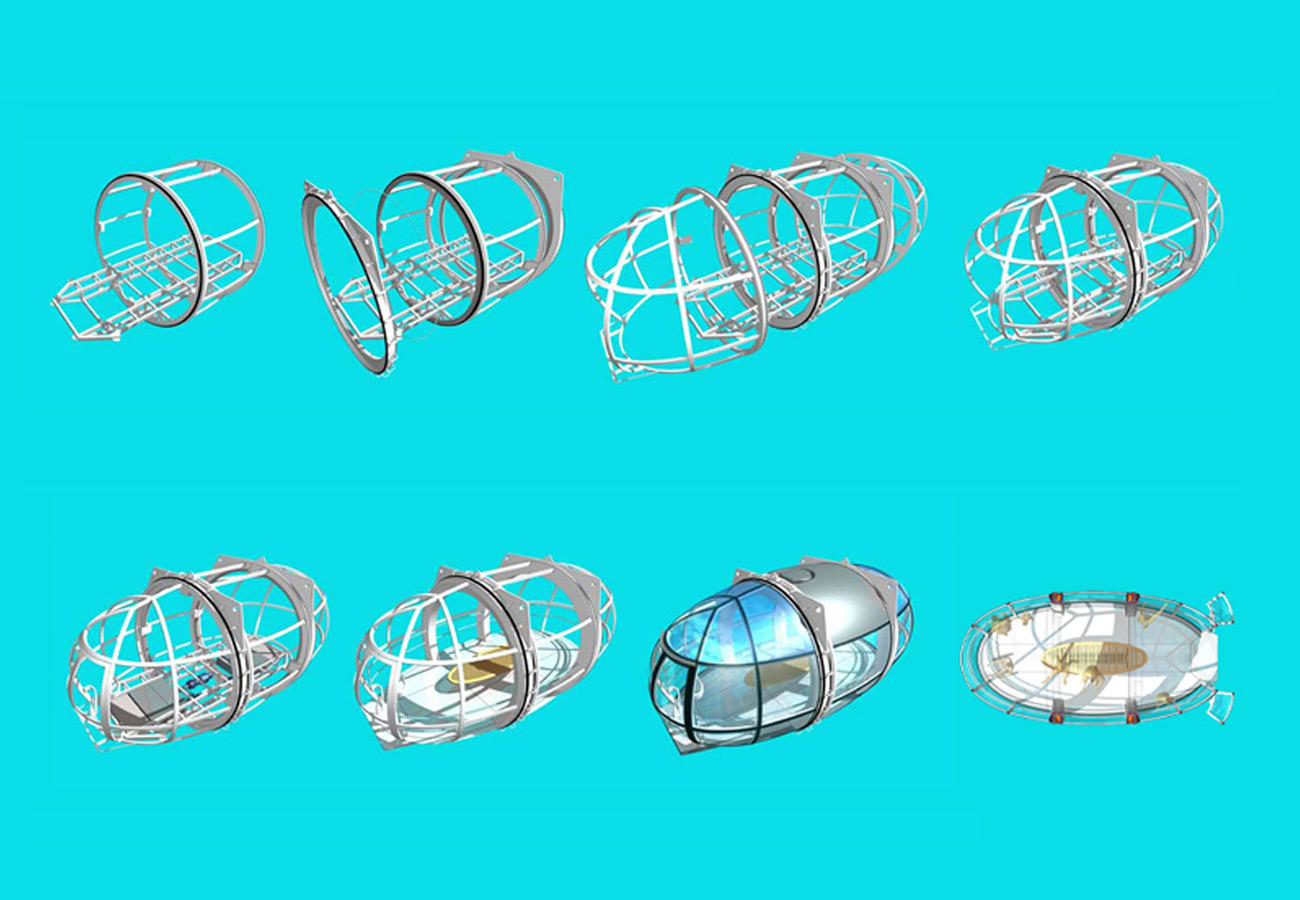
- Off-site Construction
- Reduce Construction Wastage
- Reduce Time on Site
- Robust Detailing
- Shading / Overhangs